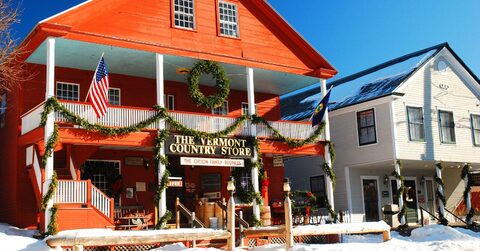
Grafton, Vermont cast iron cookware restoration is handled entirely by mail-in service from our southern Vermont bench. We restore vintage skillets, Dutch ovens, griddles, and other cast iron pieces, stripping rust and old seasoning, repairing what can be repaired, and returning each piece to full cooking condition. In-person drop-off is coming soon for the local area, but every job today ships in and ships back. Learn more about our services or get answers to common questions on our FAQ page.
Grafton and the Character of Its Cast Iron
Grafton is one of the most carefully preserved villages in Vermont, and that preservation runs deeper than the white clapboard exteriors most visitors notice. The town sits in the rolling hills of Windham County, where the Black River cuts through a valley that has supported farming, soapstone quarrying, and sheep grazing since the late eighteenth century. The year-round population is small, but the homes are old - genuinely old, with many dating to the Federal and Greek Revival periods of the early 1800s. A house that age almost always has cast iron somewhere inside it: in a summer kitchen, in an outbuilding, packed into a corner of a cellar, or handed down through generations of the same family without any thought given to restoration.
The character of Grafton is not a performance of Vermont tradition. It is Vermont tradition, the kind that shows up in the actual tools and cookware people used to feed themselves through long winters. Heavy skillets, camp griddles, long-handled cornbread pans, and deep Dutch ovens were not decorative objects here. They were the equipment of survival on a hill farm, and many of them are still around because the houses and families that owned them never really left.
Climate and Property Conditions That Age Cast Iron
The climate in Grafton is unsparing. Winters are long and genuinely cold, with significant snowfall and stretches of sub-zero temperatures that stress any unheated outbuilding. Summers bring high humidity, and the valleys that run through town trap moisture in ways that accelerate rust on any bare iron. A skillet left in a camp, a barn, or even an unheated mudroom in Grafton can go from dusty-dry to deeply pitted in a single off-season if the iron is not properly protected.
The housing stock reinforces this. Older post-and-beam barns and attached woodsheds - the classic Vermont connected-farm layout - are neither sealed nor climate-controlled. They breathe with the seasons. Iron stored in those spaces sees freeze-thaw cycles, condensation, and years of accumulated grime. The soapstone deposits in the Grafton area also meant that many early kitchens used soapstone sinks and counters alongside cast iron cookware, a combination that is historically interesting but practically irrelevant to cookware care; the point is that these are homes and outbuildings with very long material histories, and the cast iron in them reflects that.
What Grafton Customers Typically Bring In
The most common piece we see from the Grafton area is a skillet or Dutch oven pulled from an estate. Grafton has seen its share of estate sales and property transfers as longtime families sell or consolidate holdings, and cast iron turns up in those transitions regularly. The pieces are often in rough condition: heavy surface rust, cracked or flaking old seasoning that has carbonized over decades of wood-stove cooking, and sometimes handles that have been repaired or broken in the past.
Wood stove cookware is its own category. Pieces that cooked over wood for decades accumulate a very different kind of seasoning buildup than modern stovetop pieces. The carbon layers can be thick and uneven, sometimes almost ceramic in texture, and stripping them correctly requires patience and the right method - not a wire wheel and a power tool. We also see a fair number of camp pieces from Grafton: long-handled fry pans and deep camp kettles that lived in hunting or fishing cabins, exposed to outdoor fire, and then stored wet or unseasoned at the end of the season. Rust in those pieces is often deep and pitted, and the question of whether to restore or retire a piece is one we take seriously.
Sugaring equipment occasionally comes through as well. The hills around Grafton have been tapped for maple sap for as long as anyone can remember, and some of the older sugarhouses held cast iron pans and tools that predated the shift to stainless and aluminum. Those pieces are rare but meaningful when they appear.
How This Work Gets Done Right
Our process begins long before any abrasive touches the iron. Every piece is assessed for cracks, warps, and structural problems that would make restoration pointless or the finished piece unsafe for cooking. A hairline crack in a Dutch oven base is not something seasoning can fix, and we say so plainly rather than return a piece that will fail over a fire. Our services page walks through exactly what we do and what we do not attempt to repair.
The electrolytic rust removal we use is slow and gentle by design. It pulls iron oxide off the surface without removing base metal the way grinding would, and it reaches into the pits and texture of old iron that mechanical methods miss. After stripping, the iron is dried immediately and assessed again before any seasoning begins. For pieces that cooked over wood, the bare iron often reveals surface characteristics - machined rings, pour marks, maker's marks - that were buried under decades of carbon and are genuinely worth seeing before reseasoning covers them again.
Seasoning is built in careful thin layers at high heat, using oil appropriate to the way the piece will be used. A camp griddle going back to outdoor fire cooking gets a different treatment than a delicate early-American skillet going onto a modern gas range. The goal is always a surface that will perform and protect, not one that looks impressive in a photograph.
The Logistics of Mail-In Service from Grafton
Because Grafton is a small, rural town, the mail-in model fits the community well. There is no expectation of a local storefront, and the people who have genuine vintage cast iron in Grafton are generally comfortable with the idea that good restoration work is done at a specialized bench, not at the curb. Pieces are packed carefully - we provide packing guidance on our common questions page - and shipped through standard carriers. Turnaround varies by the complexity of the job and the current queue, and we communicate clearly about timing before any work begins.
In-person drop-off and pickup for the southern Vermont area, including Grafton, is something we are actively working toward. When that option opens, it will be noted on our areas we serve page. For now, shipping is straightforward and the pieces arrive and return safely when packed correctly.
What to Watch for Before You Ship
Cast iron from Grafton's older homes occasionally carries surface treatments that are not original seasoning. Some pieces were coated with paint, stove black, or commercial rust preventives by well-meaning previous owners, and those coatings complicate the stripping process. If you are not sure what is on your piece, describe it honestly when you contact us - color, texture, smell when heated, any visible drips or brush marks. That information helps us plan the job and give you an accurate timeline.
Pieces from unheated barns sometimes carry active rust that is still progressing. If a piece is wet or has been wet recently, let it dry completely in a warm indoor space before packing it for shipment. Shipping wet iron invites more damage and can rust the surface of the wrapping material into the iron itself, which creates new problems on arrival.
Why Grafton Residents Choose Professional Restoration
The cast iron that comes out of Grafton's older homes is, in many cases, genuinely old and genuinely valuable - not in a speculative market sense, but in the sense that it is irreplaceable once damaged. Early American foundry pieces, Griswold and Wagner skillets from the early twentieth century, and unmarked farm pieces of unknown age all deserve careful handling. The DIY restoration approach - oven cleaner, wire brushes, and a single coat of Crisco - works acceptably on common modern pieces, but it strips maker's marks, pits soft iron, and produces uneven seasoning that fails quickly under real cooking conditions.
People in Grafton tend to understand the value of doing things properly. The town's commitment to its own historic fabric, visible in its architecture and its landscape, extends naturally to the objects inside those buildings. Bringing a piece back to genuine working condition rather than a rough approximation of it is worth the care, and that is exactly what professional restoration offers. If you are still weighing the decision, our free consultation is a good place to start.
The Broader Area Around Grafton
The towns surrounding Grafton share its rural, historic character, and cast iron from the wider area often passes through Grafton on its way to us. Saxtons River, Rockingham, Andover, Chester, and Cambridgeport all sit within a short drive of Grafton's village center, and the same conditions - old housing stock, unheated outbuildings, long sugaring and farming traditions - produce the same kinds of pieces. The antique trade along Route 11 and through the Connecticut River valley communities nearby means that cast iron surfaces regularly at dealers and auctions in the broader area, sometimes in condition that looks worse than it is and sometimes in condition that is genuinely as bad as it looks. Either way, a proper assessment before any money changes hands is worthwhile, and we are glad to help evaluate what a piece is and what it would take to bring it back.
FAQ
Questions about Grafton
- I found a skillet in the barn of an old Grafton farmhouse. It has deep rust pits. Is it worth restoring?
- Probably yes. Deep rust from a Vermont barn looks alarming but is often treatable with electrolytic removal, which pulls iron oxide out of pits without grinding away base metal. The real question is whether the iron beneath is structurally sound and free of cracks. Send us a description and a few photographs and we can give you an honest assessment before you commit to shipping it in.
- My Dutch oven has a thick, almost black crust from decades of wood stove use in a Grafton kitchen. Can that be stripped safely?
- Yes, though wood stove carbonization builds up differently than regular cooking residue, often harder and more layered. We strip it with a lye soak or electrolysis rather than mechanical methods, which protects the iron surface and any maker's marks underneath. The process takes longer than a simple rust job, and we factor that into our timeline estimate when you contact us.
- How do I pack and ship a heavy cast iron piece from Grafton without it being damaged in transit?
- The key is immobilizing the piece completely so it cannot shift or strike the box wall. Wrap the iron in several layers of paper or bubble wrap, place it in a box with at least two inches of firm packing material on every side, and do not reuse a flimsy box. Our FAQ page covers packing guidance in detail. Cast iron is heavy but durable once it cannot move around.
- Is there any chance of in-person drop-off service near Grafton rather than shipping?
- We are working on setting up local drop-off and pickup points for the southern Vermont area, which would include Grafton. That option is not open yet, but when it is, we will announce it on our areas we serve page. For now, the mail-in process is reliable and straightforward, and we have good packing guidance to make the shipment safe.
- The skillet I want restored has what looks like old black paint or stove blacking on it, not just seasoning. Does that change the process?
- It does. Paint and commercial stove black require a different stripping approach than carbonized oil seasoning. A lye bath handles most of them well, but the type of coating affects the soak time and what we find underneath. Let us know when you inquire - describe the surface color, any visible brush marks or drips, and whether it smells chemical when warm. That detail helps us plan the job accurately.
- I bought a piece at an estate sale in the Grafton area and I am not sure if it is worth the cost of restoration. How do I decide?
- A few things help: check for cracks by holding the piece up and tapping it lightly with a metal utensil - a clear ring is good, a dull thud or rattle suggests a crack. Look at the cooking surface for deep pitting or warping. If the iron is structurally sound, even very rusty pieces are almost always restorable. Reach out through our free consultation and we can help you evaluate what you have before you commit.
Start a restoration
Tell us what you have
Send a couple of photos and the markings you can read on the bottom. We will tell you what the piece is, what it needs, and what it costs before anything ships. Identification and assessment are free, and stay free if you decide to do nothing.
Would rather just talk it through? (802) 348-1550