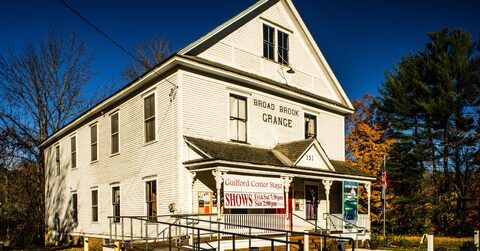
This bench-based mail-in restoration service handles vintage cast iron cookware for customers in Guilford, Vermont and the surrounding towns of southern Windham County. Every piece - skillets, Dutch ovens, griddles, waffle irons - is shipped in, restored by hand, and shipped back. A local in-person drop-off and pickup option for Guilford residents is in development, though it is not yet available.
Guilford and the Cast Iron That Comes Out of It
Guilford is one of the older towns in Vermont, incorporated in the late eighteenth century, and its landscape reflects that age in the most tangible way: farmsteads that have been in families for generations, cape-style houses with low ceilings and wide-plank floors, a scattering of converted barns turned into living space, and cellar holes that mark where earlier structures once stood. The town sits on rising terrain east of the Connecticut River valley, rural and quiet in a way that Brattleboro, just a few miles to the north, simply is not. People move to Guilford because they want land, and with land comes a relationship with older buildings and older things - including the cast iron that was left behind in them.
It is not unusual for a Guilford property to have a detached barn, a sugarhouse, or an outbuilding that has not been properly heated in decades. Cast iron stored in those spaces absorbs seasonal moisture from Vermont's spring thaws and humid summers, then sits through winter freezes. Over years, the result is the kind of deep reddish rust and pitting that many owners assume means the piece is finished. It is rarely finished. Most vintage cast iron, even pieces that have spent a long winter in an unheated Vermont outbuilding, can be fully restored to a functional cooking surface. What it needs is the right process, not a landfill.
What Guilford Properties Produce
Guilford's long agricultural history means that estate sales and barn cleanouts in town regularly surface cast iron that has not seen a kitchen in thirty or forty years. Pieces found here tend to skew older and heavier - the kind of unmarked American-made skillets from the early to mid-twentieth century that predate the thin, light production of modern foundries, and occasionally pieces from the nineteenth century that show up wrapped in burlap in the back of a shed. Farm cookware in Guilford was used hard: sugaring season put large flat-bottomed pans over wood fires for weeks at a time, and hunting camps on the hillier parcels east of the village used Dutch ovens and griddles over open flames season after season.
The antique trade in and around Brattleboro and along the Connecticut River valley means that Guilford residents also acquire pieces through dealers, flea markets, and online estate lots. A skilled buyer can find a Griswold or Wagner skillet at a reasonable price in this part of Vermont, then discover it needs real restoration work before it is fit for the stovetop. That is exactly the situation our services are built around.
The Conditions That Make Restoration Necessary Here
Windham County's climate is genuinely demanding on bare iron. Guilford gets substantial snowfall, real spring mud season, and summer humidity that rolls up the Connecticut River valley. A cast iron piece left in a barn or cellar without a seasoning coat will begin to rust within a season. Left for several seasons, it develops the heavy scale and flaking that requires mechanical and chemical intervention to remove safely. A damp cellar in one of Guilford's older cape or colonial homes is nearly as hostile to bare iron as an unheated barn - the combination of stone foundations, spring groundwater, and limited airflow creates exactly the conditions iron does not like.
Wood stove cooking, still practiced in a meaningful number of Guilford homes, also affects cast iron in specific ways. Cooking over a wood fire runs hotter and less evenly than a modern gas or electric burner. Pieces used this way develop thick, carbonized buildup on the cooking surface and the exterior - what most people call black crust - that masks the original surface and creates hot spots. Removing that buildup correctly, without damaging the iron underneath, is part of what proper restoration involves. You can read more in our common questions about how the process works and what it does to the metal.
The Jobs That Come From Guilford
The most common pieces arriving from Guilford and nearby towns are skillets in the ten- and twelve-inch range, heavily rusted from barn or cellar storage. Second are Dutch ovens, both the flat-lidded camp style and the deeper kitchen style, that were used over wood fires and have heavy exterior carbon deposits. Waffle irons - the old hinged kind that sat directly on a wood stove - come in regularly from this part of Vermont, often in very rough condition but almost always restorable. Corn stick pans and muffin molds turn up occasionally, and now and then a large flat griddle meant for a wood cookstove arrives with the kind of warping that can only come from years of thermal stress.
Warping is worth mentioning specifically. A cast iron pan that has been overheated, dropped, or thermally shocked can develop a slight rock when placed on a flat surface. In many cases this can be corrected as part of the restoration process. In cases where the warp is severe, we are honest about what is and is not achievable. That transparency is part of the work. Guilford customers who are curious about what is realistic before they ship a piece are welcome to reach out through our free consultation page.
How the Mail-In Process Works for Guilford Customers
Because this is a mail-in service, Guilford residents ship their pieces to the bench in southern Vermont for restoration. The process is straightforward: wrap the item carefully in paper or bubble wrap, box it with adequate padding, and ship it via a standard carrier with tracking. Cast iron is heavy, so flat rate postal options or regional carrier services often make sense for cost. Once the piece arrives, we assess its condition, confirm the scope of work, and restore it. It then ships back to the Guilford address, fully seasoned and ready to cook.
For local customers who prefer not to deal with shipping, a drop-off and pickup arrangement for the Guilford and southern Windham County area is being planned and will be available soon. We will announce it through the areas we serve page when it opens. In the meantime, the mail-in route works well and is what most of our current Vermont customers use.
What Restoration Actually Involves
The restoration process for a heavily rusted or carboned piece from a Guilford barn typically runs through several stages. First, the piece is evaluated for structural integrity - cracks, chips, and true warps that affect function. Then the surface is stripped of rust and old, damaged seasoning using a combination of methods appropriate to the piece's condition. This is not sandblasting, which removes too much metal, and it is not simply soaking in a commercial drain cleaner and calling it done. The stripped piece is then rinsed, dried immediately to prevent flash rust, and moved quickly to seasoning.
Seasoning is applied in thin, controlled layers using oil and heat. The result is a smooth, dark surface that protects the iron and provides the non-stick quality cast iron is known for. A well-restored skillet that came out of a Guilford cellar in flaking rust can leave the bench looking and cooking better than it did in its last decade of active use. That is not a marketing claim - it is what happens when a piece is properly stripped, dried, and built back up correctly.
Mistakes to Avoid With Guilford Cast Iron
A common mistake Guilford residents make - often with good intentions - is attempting to clean a rusted piece with a wire wheel on an angle grinder, or running it through a self-cleaning oven cycle without understanding what that does to the metal. The self-cleaning oven approach strips seasoning effectively but also drives the iron through a heating and cooling cycle that can exacerbate existing microcracks or stress points in older, thinner pieces. Wire wheels on power tools remove rust but also remove metal, leaving a scratched surface that is harder to season correctly.
Soaking cast iron in water to loosen rust is another approach that causes more harm than it prevents. Iron absorbs water, and a long soak without proper immediate drying and seasoning will make rust worse, not better. If a piece from a Guilford barn find is in rough condition, the safest first step is simply to keep it dry and reach out before attempting home remedies. Our common questions page covers the most frequent DIY mistakes and what to do instead.
Why Guilford Customers Work With a Professional
Cast iron restoration is not complicated in concept, but it requires the right sequence, the right materials, and the experience to read a piece's condition accurately. For a Guilford resident who has found a set of old skillets in a family barn, or who purchased a piece at a Connecticut River valley antique shop and found it in worse condition than expected, professional restoration is simply the most reliable path to a piece that will last another fifty years. The alternative - a piece that sits in the garage because it looks too rough to use - is not a good outcome for a tool built to last generations.
Southern Vermont has a real culture of keeping old things functional, from woodstoves to farmstead equipment to hand tools. Cast iron fits squarely in that tradition. Whether a piece came from a Guilford sugarhouse or off a dealer's shelf in a nearby river town, getting it properly restored means it becomes part of a kitchen again rather than a decorative relic. For customers ready to start the process, the free consultation page is the right first stop.
Surrounding Areas
Guilford sits close to Brattleboro, Marlboro, Halifax, and Vernon - each with its own stock of old homes, working farms, and outbuildings where vintage cast iron has been accumulating for decades. Customers from any of these towns are equally welcome to use the mail-in service, and all will be served by the in-person drop-off option once it opens. The full list of areas covered is on our areas we serve page.
FAQ
Questions about Guilford
- I found a heavily rusted skillet in a Guilford barn. Is it worth restoring or is it too far gone?
- In almost every case, a rusted skillet from a Vermont barn is worth restoring. Even deep red rust and surface pitting - the kind that comes from years in an unheated outbuilding through mud season and summer humidity - can be removed without damaging the underlying iron. The main exception is a piece with a structural crack that runs through the cooking surface. If you are unsure, reach out through our free consultation page before shipping anything.
- My cast iron was used for years over a wood stove in our Guilford farmhouse. Can that thick black crust on the outside be removed?
- Yes. Thick carbonized buildup from wood stove use is one of the most common conditions we see from Vermont farmhouse cookware. It builds up over years of cooking over high, uneven heat and can be safely removed as part of the restoration process. Once the crust is stripped and the surface is re-seasoned in controlled layers, the piece cooks evenly and cleanly again. Wood stove use does not damage cast iron permanently - it just needs proper attention.
- How do I ship a heavy Dutch oven from Guilford to your bench without it getting damaged?
- Wrap the piece tightly in several layers of paper or bubble wrap, paying attention to the lid if there is one - wrap it separately so it cannot shift against the pot in transit. Place the wrapped piece in a sturdy box with at least two inches of padding on all sides. Cast iron's weight makes flat rate shipping options worth comparing. Use a carrier with tracking. We have never had a piece arrive damaged when it was boxed this way.
- My Guilford property has a damp stone-foundation cellar. How should I store cast iron after it is restored?
- A stone-foundation cellar in a Vermont home is one of the worst places to store bare or lightly seasoned cast iron. Spring groundwater and limited airflow create persistent humidity that will re-rust a piece within a season. After restoration, store cast iron in a heated interior space - a kitchen cabinet or pantry shelf. If the piece will be used regularly, active use and light oil maintenance between uses is the best protection against moisture.
- I picked up a waffle iron at an estate sale near Guilford and the hinge is stiff and the plates are heavily pitted. Can that be fixed?
- Stiff hinges on old waffle irons are very common and are usually freed up as part of the cleaning and restoration process. Surface pitting on the plates is trickier - shallow pitting does not affect cooking performance, and a good seasoning fills it in reasonably well. Deep pitting can affect how cleanly a waffle releases, and we will tell you honestly what to expect for a specific piece. Reach out with photos through the free consultation page before shipping.
- Is the local drop-off option available yet for Guilford residents who do not want to deal with shipping?
- Not yet, but it is being set up specifically for Guilford and the surrounding southern Windham County area and will open soon. When it does, it will be announced on our areas we serve page. In the meantime, the mail-in route works well for Guilford customers - most of our current Vermont customers use it, and we walk you through the packing process so nothing arrives damaged.
Start a restoration
Tell us what you have
Send a couple of photos and the markings you can read on the bottom. We will tell you what the piece is, what it needs, and what it costs before anything ships. Identification and assessment are free, and stay free if you decide to do nothing.
Would rather just talk it through? (802) 348-1550