Vintage cast iron cookware restoration for Londonderry, Vermont is handled entirely by mail-in service from a bench in southern Vermont - no travel required. Customers ship a skillet, Dutch oven, or griddle in, it is cleaned, stripped, re-seasoned, and restored to cooking condition, then shipped back. Local drop-off and pickup options for the Londonderry area are in development and coming soon.
Londonderry and the Character of Its Cast Iron
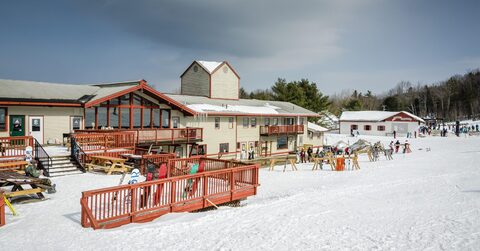
Londonderry sits in the upper reaches of the West River valley, with Magic Mountain on one flank and the rolling pasture and second-growth forest of the Winhall and Andover hills on the others. It is a town of farmhouses, hunting camps, and ski chalets in roughly equal measure, and that combination matters for cast iron. The farmhouse kitchens predate the ski industry by a century or more, and the camps and chalets that followed were furnished in the practical, durable style that defines Vermont mountain living. That means a great deal of cast iron has passed through Londonderry kitchens over the decades, and a good portion of it has been sitting quietly in barns, cellar shelves, and mudrooms ever since.
The town draws a mix of year-round Vermont families, remote workers who arrived during the last several years, and second-home owners from southern New England and the mid-Atlantic states. Many of the second-home owners are the ones who discover a blackened Griswold or Wagner skillet tucked behind a wood box during a winter cleanup and realize they have no idea what to do with it. The year-round families often know exactly what they have - because they have been using it, or because it came from a grandparent's kitchen - and they want it returned to working condition rather than replaced.
Conditions in Londonderry That Are Hard on Bare Iron
At roughly 1,400 feet in the valley floor and considerably higher on the surrounding ridges, Londonderry endures winters that are genuinely cold and summers that bring real humidity. The freeze-thaw cycle that defines Vermont spring is particularly aggressive here because of the elevation, and unheated structures - garages, sugar shacks, hunting camps, detached barns - cycle through temperature and moisture extremes that bare cast iron simply cannot survive without damage.
A skillet left on a camp shelf from November to April in an unheated building will collect enough condensation during the spring thaw to develop surface rust across the entire cooking surface within weeks. The problem compounds when a piece has lost its seasoning, either through harsh washing, a long period of disuse, or storage in a damp space. Londonderry's maple sugaring operations also put cast iron through heavy use during sugaring season, and the combination of sustained heat, sticky sap, and repeated washing without proper re-seasoning accelerates the breakdown of a seasoned surface faster than ordinary kitchen use.
What Londonderry Customers Typically Bring In
The most common pieces coming in from the Londonderry area reflect the town's mix of working rural life and seasonal recreation. Griswold and Wagner skillets from the mid-twentieth century are the most frequent finds - they turn up in estate sales, in the back of kitchen cabinets in older farmhouses, and occasionally in barn cleanouts. These pieces respond exceptionally well to restoration because the pre-World War II and immediate postwar foundry work produced cookware with a machined cooking surface that, once restored, is noticeably smoother than modern cast iron.
Dutch ovens are another common piece, and in Londonderry the camp Dutch oven - the kind with legs and a flanged lid designed for cooking over coals - comes in fairly regularly. These were genuine working tools in Vermont hunting camps, not decorative items, and they tend to show it: thick carbon buildup on the exterior, rust patches inside, and sometimes a warped or stuck lid from years of hard use and improper storage. Restoring a camp Dutch oven means stripping all of that away and returning it to a condition where it will actually function correctly over a fire or on a wood stove.
Muffin pans, corn stick pans, and gem pans from the same era also come in from this area. Older Vermont farmhouses had a baking culture that relied on these specialized pieces, and when they surface in an estate or at an auction in Londonderry or nearby Weston, they are often in rough shape but structurally sound. Structural soundness is the key factor - cracks and significant warping generally cannot be corrected, but rust, carbon, and damaged seasoning are entirely reversible. See our services page for a full account of what restoration can and cannot address.
How the Work Is Done
Every piece that comes in from Londonderry goes through the same careful process. The first step is a thorough assessment of the iron itself - checking for cracks, checking that the piece sits flat, and evaluating the extent of rust and carbon buildup. From there, the piece is stripped using a method appropriate to its condition: electrolysis for heavily rusted pieces, lye-based soaking for carbon-heavy exteriors, and hand work for anything requiring close attention around heat rings, hinge points on waffle irons, or the legs of a camp oven.
Once the iron is bare and clean, it is dried thoroughly - bare cast iron can flash-rust within an hour in humid conditions, and controlling that window between stripping and seasoning is a point where careless work can undo everything. The seasoning process itself involves multiple thin layers of oil applied and baked in sequence, building up a surface that is polymerized and bonded to the iron rather than simply wiped on. The result is a cooking surface that performs the way the piece was designed to perform, which for well-machined mid-century American foundry iron is genuinely excellent. If you have questions about the process before sending anything in, the common questions page covers the details.
What to Expect, Start to Finish
For a Londonderry customer, the process begins with packing the piece securely - cast iron is heavy and hard on packaging, and a cracked skillet that arrives damaged in transit is a problem that cannot be undone. The free consultation is the right first step: describe the piece, its condition, and any specific concerns, and get a clear sense of what the work involves before committing to shipping it.
Once the piece arrives, assessment happens promptly and you will know whether the piece is restorable and what the work entails. Restoration takes the time it takes - rushing the seasoning process produces a surface that will not last, so the work is done correctly rather than quickly. When it is finished, the piece ships back to you properly packaged and protected. For Londonderry residents who would prefer to hand a piece off rather than pack and ship it, local drop-off and pickup arrangements are being developed and will be available soon.
Mistakes That Are Worth Knowing About
The most common mistake Londonderry residents make with a cast iron piece they have found or inherited is attempting a restoration with a wire wheel on an angle grinder. It works fast, and it feels decisive, but it removes the machined surface that makes vintage cast iron valuable and leaves behind a rough, pitted finish that will never season properly. The second mistake is using oven cleaner - the sodium hydroxide formulas sold for household ovens - without understanding what they do to iron left too long in contact, which can cause surface pitting.
A third mistake specific to this area is leaving a piece in an unheated space through the winter thinking it is "fine because it is not being used." A well-seasoned skillet can survive a Vermont winter in a cold space if it is completely dry and properly seasoned going in. One that is borderline - slightly sticky, lightly rusted, or stored with moisture in the pores - will come out in the spring in significantly worse condition. If a piece has spent a season in a Londonderry camp or sugar house without preparation, it almost certainly needs professional attention rather than a wipe-down and a coat of oil.
Why a Professional Restoration Makes Sense Here
There is a practical reason that Londonderry residents tend to take vintage cast iron seriously rather than discarding it: durable, high-quality things have real value in a rural Vermont community, and mid-century American cast iron is genuinely better cookware than most of what is sold new today. The machined interiors of a Griswold Erie skillet or a Wagner Ware piece from the same period cook more evenly and release food more readily than modern cast iron once properly restored.
Beyond the cooking quality, there is a real financial argument. A number-eight Griswold skillet or a complete camp Dutch oven set in good condition carries meaningful value in the antique and vintage cookware market, and the areas we serve across southern Vermont shows how consistent that interest is across the region. Paying for a professional restoration that brings a found piece to its full potential is a straightforward investment in something that will last several more generations with ordinary care.
Nearby Communities
Londonderry sits at the center of a cluster of towns that share similar housing stock, terrain, and cast iron history. Weston, directly to the north, has a strong antique trade and draws estate sale buyers from across the state. Peru and Landgrove to the east are deeply rural, with hunting camps and old farm properties that surface cast iron regularly. Winhall and Stratton to the southeast represent the ski resort end of the spectrum, where seasonal properties may sit long enough between visits to allow moisture damage to develop in cookware left behind. All of these communities are covered by the same mail-in service, and all are part of the local drop-off network that is currently being organized. If you are unsure whether your piece is worth restoring or what the process involves, the free consultation is the place to start - describe what you have and get a straight answer before you commit to anything.
FAQ
Questions about Londonderry
- I found a cast iron skillet in the barn of an old Londonderry farmhouse. It is heavily rusted. Is it worth restoring?
- Almost certainly yes. Surface rust - even heavy surface rust - is entirely reversible on structurally sound cast iron. Londonderry farmhouse barns are exactly the environment that produces this kind of damage: cold, damp, and subject to hard freeze-thaw cycles. If the piece sits flat and has no cracks, the iron underneath the rust is very likely fine. Send a description and a photo through the free consultation and you will get a straight answer.
- My cast iron Dutch oven spent the last several winters in an unheated hunting camp outside Londonderry. What has probably happened to it?
- An unheated Vermont camp subjects cast iron to repeated freeze-thaw and humidity cycles that break down seasoning and allow rust to develop on the cooking surface and any bare exterior metal. Interior rust and significant carbon buildup on the outside from fire use are the most common results. Both are fully reversible. The piece should be assessed before use rather than simply wiped down and oiled, because surface rust left under fresh seasoning will continue to spread.
- Can I drop the piece off in Londonderry instead of shipping it?
- Local drop-off and pickup options for the Londonderry area are being organized and are not yet open. Right now, the service is mail-in only: you pack and ship the piece in, it is restored at the bench in southern Vermont, and shipped back to you. Packing guidance is available through the consultation so your piece arrives safely. Once local drop-off is available, Londonderry customers will be among the first areas served.
- I picked up what looks like a Griswold skillet at a Londonderry estate sale. How do I know if it is worth restoring versus selling as-is?
- The value of a restored Griswold versus an as-found one in rough condition is genuinely significant, particularly for well-marked pieces in larger sizes. A professional restoration that brings the cooking surface back to proper condition and applies correct seasoning will typically return the piece to a level of function and presentation that makes it more valuable both for use and for resale. A consultation before you commit to anything is the right first step.
- I used a wire wheel on my cast iron to remove the rust before I knew better. Can the piece still be restored?
- It depends on how much of the original machined surface remains. A wire wheel removes rust quickly but also abrades the smooth cooking surface that makes vintage cast iron special. If the damage is relatively light, the piece can still be stripped, seasoned, and made functional, though it may not cook as smoothly as an untouched original. If the surface is heavily roughened, it can still cook but will never match an unaltered piece. A photo assessment will give you a clear picture.
- We do maple sugaring in Londonderry and our cast iron pieces take a beating during the season. What kind of restoration do sugaring pieces typically need?
- Sugaring is genuinely hard on cast iron. Sustained heat combined with the sticky residue of maple syrup and repeated washing tends to strip seasoning, leave thick carbon deposits on the exterior, and encourage rust at any point where bare iron is exposed. Sugaring pieces typically need full electrolytic or lye stripping to remove built-up carbon, followed by a complete multi-layer re-seasoning. The result is a piece ready to handle another season without the same rate of deterioration.
Start a restoration
Tell us what you have
Send a couple of photos and the markings you can read on the bottom. We will tell you what the piece is, what it needs, and what it costs before anything ships. Identification and assessment are free, and stay free if you decide to do nothing.
Would rather just talk it through? (802) 348-1550