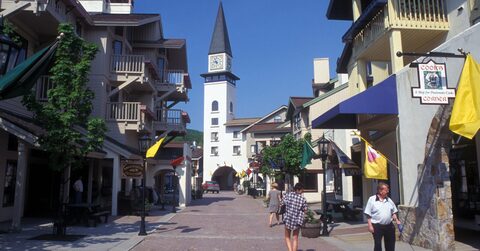
We provide mail-in vintage cast iron cookware restoration for customers in Stratton, Vermont. Every piece - skillets, Dutch ovens, griddles, camp kettles, and more - is shipped to our southern Vermont bench, fully restored by hand, and shipped back ready to cook. A local in-person drop-off option is in development but is not available yet.
Stratton and the Cast Iron That Lives Here
Stratton sits high in the Green Mountains in Windham County, and the character of the place shapes exactly what kind of cast iron turns up here. This is primarily a four-season resort and second-home community, with a mountain that draws skiers and snowboarders in winter and hikers and leaf-peepers in the warmer months. The full-time resident population is genuinely small; the seasonal population is large, and the properties reflect that mix. Lodges, ski chalets, and older mountain cabins share the landscape with newer vacation homes built since the resort expanded. That layered ownership history means a lot of cast iron has passed through many different hands over the decades, often ending up forgotten in a mudroom closet or hanging on a camp kitchen wall, waiting to be rediscovered.
Mountain Climate and What It Does to Iron
At Stratton's elevation, the climate is unsparing. Winters are long, snowfall is heavy, and the freeze-thaw cycle hits hard every spring. Summer humidity can be surprisingly high in a mountain valley, and properties that sit unheated through the shoulder seasons - which describes many of the second homes here - create the exact conditions that turn a once-seasoned skillet into a study in surface rust and pitting. A cast iron pan left in an unheated cabin from April to June, with no airflow and rising humidity coming in under the doors, will develop rust faster than almost any other domestic setting. We hear this story from Stratton owners regularly: they open the cabin for the Fourth of July weekend and find the skillet they left on the stovetop last March is now a mottled, orange-sheened mess. That is completely recoverable, and it is exactly the kind of work this bench does every week.
The Properties and the Pieces They Hold
Because so many Stratton properties are vacation or recreational homes, the cast iron here tends to have a specific character. Pieces often arrive with years of interrupted use - cooked on for a ski weekend, then stored unattended for months. Older properties, some built in the mid-twentieth century as basic ski lodges, frequently have original cast iron that came with the place and has never been properly identified or cared for. Some of the most rewarding jobs we see from this area involve pieces with no known provenance - a deep, unmarked Wagner skillet found in a kitchen drawer during a renovation, or a three-legged camp spider pulled from a barn behind a property that has changed owners twice in the last thirty years. Cast iron from this region can also show the effects of wood stove cooking: heavy carbon buildup on the exterior from years of use over an open flame, which requires patient electrolytic cleaning or lye stripping to remove without damaging the cooking surface.
What Stratton Customers Typically Send In
The most common restoration jobs we receive from Stratton fall into a few clear patterns. Heavy rust - often surface rust that looks worse than it is - is by far the most frequent issue, a direct result of the unheated storage problem described above. Beyond rust, carbon buildup from wood stove or fireplace cooking is a close second, particularly on older skillets and Dutch ovens from properties that predate gas or electric. Flaking seasoning, the kind that comes from a pan being seasoned once and then neglected or washed with dish soap for years, is the third common problem. Occasionally we receive pieces with structural questions - a crack in the casting, a wobble in the base, a lid that no longer seats properly - and while some of those issues are cosmetic or minor, we assess every piece honestly and tell the owner what can and cannot be corrected. You can read more about the full range of what we handle on our services page.
Why the Ski-Camp Kitchen Tradition Matters Here
There is a particular culinary tradition in the mountains of southern Vermont that is easy to underestimate. Ski camps and lodges developed their own cooking cultures: big weekend breakfasts, chili and stew simmered all afternoon on a wood or propane stove, cornbread in a cast iron pan, and maple syrup on everything. That tradition required and produced heavy, reliable cast iron cookware, and a lot of it is still out there in these kitchens. Families who have held the same camp for two or three generations often have cast iron that is genuinely old - Griswold, Wagner, Lodge, or unmarked foundry pieces from the late nineteenth or early twentieth century. These are not just cooking tools; they are objects with family history attached to them. Restoring a grandmother's Dutch oven for a family that has been coming to Stratton for fifty years is a genuinely meaningful job, and we treat it that way.
How the Mail-In Process Works for Stratton
Because Stratton is a mountain community with a small year-round population and no commercial district to speak of, a mail-in model is the practical and natural fit for this kind of work. You pack the piece securely - we give guidance on how to do that without damaging the iron or the packaging - and ship it to our bench. We assess it on arrival, contact you with our findings and a clear description of what the restoration will involve, and proceed once you approve the work. When the job is complete, the piece is re-seasoned and returned to you. For Stratton residents and property owners who may only be in town for a stretch of weeks, timing the shipment and return around your schedule is straightforward to plan. We are also working toward a local drop-off and pickup arrangement that will serve communities across southern Vermont; that option is not yet open, but check our areas we serve page for updates as it develops.
What Restoration Actually Involves
A proper vintage cast iron restoration is not a quick scrub and an oil coat. Depending on the condition of the piece, the work may involve electrolytic rust removal (which uses a mild electrical current to lift rust without abrading the iron), lye-bath cleaning to remove decades of carbonized grease and food residue from the cooking surface and the exterior, hand scrubbing with appropriate abrasives to address any remaining surface issues, a careful inspection of the casting for cracks or defects, and multiple rounds of oven seasoning with a thin, appropriate oil. Each of those steps matters, and skipping any of them produces an inferior result. We document the piece's condition on arrival and can walk you through what we found and what we did - something that is particularly valuable when the piece has family or collector significance. Our common questions page covers the restoration process in more detail if you want to understand what each step involves.
Barn Finds, Estate Sales, and the Antique Trade
Stratton and the surrounding communities - Bondville, Winhall, Jamaica, and others nearby - have an active informal trade in old tools, farm equipment, and household antiques. Estate sales in older Vermont farmhouses frequently turn up cast iron that has been in a barn or cellar for decades. The antique shops and dealers who work the region know that cast iron sells, and so pieces circulate. If you have acquired a piece at an estate sale in this area and are not sure what you have or whether it is worth restoring, a proper cleaning and inspection will tell you a great deal. Some barn-find pieces are genuinely significant - early American foundry work, pre-Erie Griswold, or rare regional pieces - and they deserve careful handling, not a wire wheel and a random seasoning oil. We are happy to assess what you have; our free consultation is the right starting point.
Common Mistakes to Avoid with Stratton Cast Iron
The single most damaging thing that happens to cast iron in vacation-home settings is storage in a damp, unventilated space without any protective seasoning. If you are closing your Stratton property for the season, a thin coat of oil on every cast iron piece before you leave costs almost nothing and can be the difference between a pan that is ready to cook next visit and one that needs full restoration. The second common mistake is using a dishwasher - the combination of hot water, detergent, and the steam cycle strips seasoning completely and leaves bare iron vulnerable to instant oxidation. The third is overheating: cranking a cast iron skillet on a high propane burner for an extended time can damage seasoning and, in rare cases, stress the casting. None of these mistakes are irreversible, but they are all avoidable.
Choosing a Professional for Vintage Pieces
Stratton property owners who care about their vintage cast iron should understand that not every piece can or should be taken to a hardware store wire wheel and treated as a generic surface. Older pieces - particularly pre-1960 American foundry iron, which is thinner and smoother than most modern cast iron - can be permanently damaged by aggressive grinding, sandblasting, or the wrong chemical strippers. A professional restoration treats each piece according to its actual condition and age, and uses reversible, non-destructive methods wherever possible. The result is not just a functional pan; it is a piece that retains its cooking quality, its historical character, and its value. For the cast iron that has come down through a Stratton family or turned up in a local barn, that distinction matters. Browse our full services to understand what careful, method-specific restoration looks like.
Nearby Communities We Also Serve
The communities immediately around Stratton share many of the same property characteristics and cast iron histories. Bondville and Winhall, which together make up the immediate neighborhood of the mountain, have a mix of older farm-era homes and mid-century camp properties. Jamaica, to the east along the West River, has a more year-round residential character but still carries the same wood-stove traditions and old-property barn-find potential. Landgrove and Peru, to the north and west in the hills, are small communities where farms and older homes have been in families for generations. All of these areas are well within the scope of our mail-in service, and all of them are on the list for the in-person drop-off arrangement we are building out. A full picture of where we work is on our areas we serve page.
FAQ
Questions about Stratton
- My Stratton ski cabin was closed all winter and I just found my cast iron skillet covered in orange rust. Can it be saved?
- Almost certainly yes. Surface rust from unheated seasonal storage - the exact conditions in a closed Stratton cabin - looks alarming but is rarely deep enough to have damaged the underlying iron. Electrolytic removal lifts that rust cleanly without abrading the cooking surface. Pack the piece carefully and ship it to us; we will assess the depth of the rust on arrival and let you know exactly what the restoration will involve before we proceed.
- I found an old unmarked cast iron Dutch oven in the barn at my Winhall property. How do I know if it is worth restoring?
- Unmarked pieces from Vermont barn finds are frequently older American foundry iron - sometimes quite valuable as cooking tools and occasionally as collectibles. The only reliable way to assess what you have is to clean it enough to read any markings and examine the casting quality. We can do that assessment as part of the restoration intake. Start with our free consultation, describe what you have, and we will give you an honest view of what it is likely to be and whether restoration makes sense.
- I cook on a wood stove at my Stratton camp. The outside of my skillet has years of baked-on carbon. Can that be removed?
- Yes, and it is one of the most common jobs we handle from mountain properties in this region. Heavy exterior carbon from wood-stove cooking requires either a lye bath or electrolytic treatment - sometimes both - to remove completely without damaging the casting or the cooking surface. The result is a pan that looks and performs like new. We will document the before and after condition so you can see exactly what was underneath all those years of camp cooking.
- My family has used the same cast iron set at our Stratton lodge for three generations. I want to restore them but I am worried about damaging the patina. What is your approach?
- We use the least aggressive method that will do the job. For pieces with family significance, preserving the character of the casting is a priority. That means electrolytic rust removal rather than grinding, careful hand work rather than power tools, and honest communication if we find anything that changes the scope. We will contact you with our findings before doing anything irreversible, so you stay in control of decisions about pieces that matter to your family.
- How do I pack a cast iron skillet safely to ship it to you from Stratton?
- Cast iron is heavy and brittle - it will crack if it shifts in a box and hits a corner. Wrap the piece in two to three layers of bubble wrap, then pack it tightly in a sturdy double-walled box with no room to move. Do not use lightweight mailer boxes. We can walk you through the specifics when you initiate a job, and we will recommend appropriate carriers. Proper packing takes ten minutes and prevents the only real risk in the mail-in process.
- I am only at my Stratton property for part of the year. Can I time the restoration around my seasonal schedule?
- Absolutely, and this is a common situation for Stratton customers. When you contact us, just let us know your rough schedule - when you plan to ship, when you will be back at the property to receive the return shipment - and we will work around it. The typical turnaround from receipt to return shipment is communicated clearly upfront, so you can plan accordingly. The mail-in model is well suited to seasonal ownership; the piece just needs to be where you are when you ship it.
Start a restoration
Tell us what you have
Send a couple of photos and the markings you can read on the bottom. We will tell you what the piece is, what it needs, and what it costs before anything ships. Identification and assessment are free, and stay free if you decide to do nothing.
Would rather just talk it through? (802) 348-1550