We provide mail-in vintage cast iron cookware restoration serving Wilmington, Vermont and the surrounding Deerfield Valley. You ship your piece to our southern Vermont bench, we strip, re-season, and restore it by hand, then ship it back to you. Our work covers skillets, Dutch ovens, griddles, and specialty pieces regardless of age or condition.
Wilmington and the Cast Iron That Lives Here
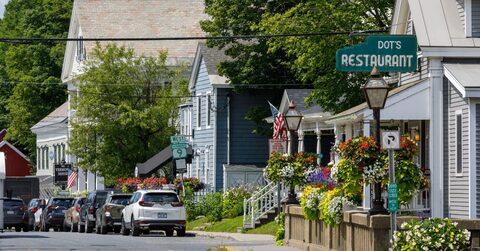
Wilmington sits at the confluence of the Deerfield River and Beaver Brook, a compact village surrounded by steep, forested hillsides that rise toward Mount Snow and the Haystack Mountain area. It is a town of two distinct populations: year-round residents with deep roots in the valley, and a substantial seasonal community of second-home owners who have been coming here for decades. Both groups tend to inherit, accumulate, or discover cast iron in ways that do not happen as readily in flatter, newer parts of New England. The housing stock tells the story. Village-center homes date to the early and mid-1800s, and the outlying camps and farmhouses push back even further. That age means generations of cookware have passed through these kitchens - and a great deal of it is still here, waiting to be used again.
A Mountain Town Climate and What It Does to Bare Iron
The Deerfield Valley catches serious weather. Wilmington averages some of the heaviest snowfall in southern Vermont, and the shoulder seasons - mud season in April, the damp cool of October - create conditions that are genuinely hard on bare iron. Unheated camps and hunting cabins along the ridgelines go dark from late autumn through early spring, and when the heat goes off and humidity settles in, cast iron rusts with remarkable efficiency. A skillet left in a camp kitchen from October to May can come back looking like something recovered from a riverbed. This is not careless ownership; it is simply what the climate does. Residents and second-home owners here are often surprised by how thorough the rust can be after a single season, and that is one of the most common reasons a piece ends up needing professional attention.
The Sugarbush, the Hunt Camp, and the Estate Sale
Wilmington and the surrounding townships have a strong agricultural and woodlands tradition. Sugaring operations - some commercial, some family-scale - have used cast iron for generations, and the big, heavy pieces associated with that work often surface in barns and sugarhouses. Deer season brings hunters from across the region to camps in the hills above town, and camp cooking on a wood stove with a heavy skillet or camp Dutch oven is a genuine tradition here, not a romanticized one. Pieces like that get hard use and often rough storage. Estate sales in the valley also generate a steady supply of cast iron, as longtime families settle large households that accumulated cookware across several decades. The antique trade around Wilmington and the Route 9 corridor has always moved cast iron, and buyers from both the local and seasonal communities pick up pieces they later realize need serious work. All of that feeds into what we see coming off the shelf.
What Wilmington Customers Typically Send In
The most common condition we see from Wilmington is deep, pitted rust - the result of a camp or barn storage situation that lasted longer than intended. Close behind that is years of carbonized grease buildup, the thick, flaking black crust that accumulates on a piece used over a wood stove where heat is less even and temperature control is approximate. Wood-fired cooking is harder on a seasoning layer than a modern gas range, and pieces that lived on a woodstove for decades often have a coating that has gone uneven or started to separate. We also see a fair number of cracked or warped pieces from the valley, the result of thermal shock - someone setting a cold skillet from an unheated camp directly onto a hot burner, or cooling a hot pan in snow, which genuinely happens. We assess every piece carefully before any work begins, and we are straightforward about what can be restored and what cannot. You can read more about the full scope of our services before you ship anything.
How a Piece Gets Restored at the Bench
Our process is not a shortcut. Every piece that comes in from Wilmington or anywhere else goes through the same careful sequence. First, we evaluate the iron itself - the casting, the thickness, the surface, and any structural concerns. Then we remove all rust, old seasoning, and residue through a process appropriate to the severity of the condition, without damaging the iron. We do not use methods that pit good metal or thin a surface that is already worn. Once the bare iron is clean and sound, we build up a new seasoning in careful layers. The result is a smooth, dark, even surface that will perform the way the piece was designed to perform. We communicate with you throughout, and if we find something unexpected - a hairline crack, a repair that was made at some earlier point in the piece's life - we tell you before we proceed. If you have questions about the process before sending anything, our common questions page covers the most frequent ones in detail.
Shipping From Wilmington: What to Expect
Because this is a mail-in service, shipping is the practical heart of the transaction for Wilmington customers. Cast iron ships heavier than people expect, and proper packaging matters - a skillet that moves around in a box during transit can arrive with fresh chips or damage. We provide clear guidance on how to pack your piece safely, and the regional carriers that serve Wilmington generally handle heavy packages without issue. We will also note that we are working to set up in-person drop-off and pickup points around southern Vermont for those who prefer not to ship; that option is not available yet, but it is coming. For now, the mail-in process is smooth, well-documented, and used regularly by customers across the region. If you are ready to start, our free consultation is the right first step.
The Age of the Iron Matters Here
Wilmington's housing stock and the camp culture of the surrounding hills means a lot of the cast iron we see from this area is genuinely old. Pre-World War II American cast iron - pieces made by foundries that no longer exist, with the smooth, thin-walled characteristics that modern reproductions rarely match - is common in estate sales and old farmhouses across the valley. These pieces are worth restoring carefully. They are lighter, better balanced, and cook more evenly than most of what has been manufactured in the last forty years. A Griswold skillet or a Wagner Dutch oven that came out of a Wilmington estate sale is a genuinely fine piece of equipment, and treating it as a throw-away because the surface looks rough is a mistake we see people make before they find us. Age and rust do not mean a piece is lost; they usually mean a piece is exactly the kind of candidate our process was built for.
Avoiding Common Mistakes With Vintage Iron
There are a few patterns we see that tend to make the restoration job harder, or that create problems after a piece is restored. The most common one in camp-culture areas like the Deerfield Valley is storage on a wood surface - a shelf or a cabinet bottom - without any air circulation, which traps moisture against the iron. Another is the instinct to run a rusty piece through a dishwasher to "clean it up" before sending it in, which strips any remaining seasoning and accelerates rust without doing the mechanical cleaning the piece actually needs. A third is using a badly rusted piece over a high flame before restoring it, particularly if there is any uncertainty about whether the iron has a hairline crack. We cover these and other common issues in more detail on our common questions page. The short version is: if a piece looks like it needs work, ship it before using it, not after.
Why Wilmington Residents Work With a Specialist
General kitchen stores and hardware retailers in the valley do not restore cast iron, and the online advice available on the subject ranges from excellent to genuinely harmful. The specific problems that show up in pieces from mountain camp environments - deep oxidation, uneven old seasoning from wood-stove use, pieces that have been stored in varying humidity for years - require a practiced eye and a process that is calibrated to the piece, not a one-size approach. Wilmington residents also tend to have a strong practical streak: if something can be fixed and used, that is preferable to replacing it with something that is not as good. Vintage cast iron that is properly restored is a tool that will outlast anything currently on the market. That sensibility fits naturally with the work we do. You can see all the communities we serve on our areas we serve page.
The Broader Deerfield Valley Community
Wilmington is the commercial and civic center of the Deerfield Valley, but the communities around it - Whitingham to the south, Dover to the east, Readsboro and Searsburg in the hills - share a similar cast iron culture rooted in the same camp traditions, the same old farmhouses, and the same demanding climate. If you are in any of these surrounding townships, the same mail-in process applies, and the same regional character of the iron you own holds true. Barn finds and estate pieces from the valley as a whole tell a remarkably consistent story: durable, quality American cast iron that has been through decades of hard use and is entirely worth bringing back.
Starting the Process
The right first move is to reach out before you ship anything. A short conversation - or a look at the services we offer - helps confirm that a piece is a good candidate and gives you a clear sense of what to expect in terms of process, timeline, and what the finished piece will look like. Wilmington customers have been sending us some of the most interesting pieces we work on: old camp Dutch ovens with decades of wood-smoke seasoning, small skillets pulled from sugarhouse shelves, heavyweight griddles from farmhouse kitchens. Every one of them has a story, and almost every one of them can cook again.
FAQ
Questions about Wilmington
- My camp skillet spent all winter in an unheated cabin above Wilmington and came back completely rusted. Is it salvageable?
- Almost certainly yes. Deep seasonal rust from an unheated camp is one of the most common situations we see from the Deerfield Valley area. As long as the iron itself is structurally sound - no cracks or serious pitting that has eaten through the wall - rust of that kind responds well to our restoration process. We evaluate every piece carefully before any work begins and will tell you honestly what we find.
- I found a Griswold skillet at a Wilmington estate sale. It looks rough but the casting seems solid. Is it worth restoring?
- Pre-war Griswold pieces that surface in Wilmington estate sales are genuinely worth restoring. That era of American cast iron features thinner, smoother castings that outperform most modern reproductions. Surface rust and old carbonized buildup are cosmetic problems we fix routinely. A solid Griswold skillet with good iron underneath is exactly the kind of piece our process was built for, and it will cook beautifully once it is done.
- The piece I want to send has thick, flaky buildup from years of wood-stove use. Does that change how you restore it?
- It does inform the process but does not prevent a good result. Wood-stove cooking produces a particularly stubborn carbonized crust because heat is intense and uneven. We remove it thoroughly without damaging the underlying iron, then build up a new, properly bonded seasoning. Pieces with heavy wood-stove history are common from the Wilmington area, and we have a lot of experience bringing them back to a clean, usable surface.
- Can I drop off my piece in person somewhere near Wilmington instead of shipping it?
- We are actively working to establish in-person drop-off and pickup points around southern Vermont, which would make things more convenient for Wilmington-area customers. That option is not available yet. Right now, everything runs through our mail-in process. We give you clear guidance on packaging cast iron safely for shipping, and regional carriers serving Wilmington handle heavy packages reliably. It is a straightforward process once you know the steps.
- A piece I pulled from a Wilmington sugarhouse has what looks like a hairline crack. Should I still send it in?
- Yes, send it in for evaluation rather than using it or attempting any repair yourself. Hairline cracks in cast iron require careful assessment - some are surface-deep and stable, others compromise the structural integrity of the piece. We examine every piece closely before touching it and will give you a clear, honest assessment. Using a cracked piece over heat is genuinely unsafe, so getting it looked at before cooking with it is the right call.
- I heard running a rusty skillet through the dishwasher cleans it up before sending. Is that a good idea?
- Please do not do this. Dishwashers strip any surviving seasoning, introduce sustained heat and moisture into pores that are already compromised by rust, and accelerate the oxidation rather than reversing it. For a piece from a damp Wilmington camp environment, it can make the surface condition noticeably worse in a single cycle. Pack the piece as-is and ship it to us. We handle the cleaning as part of the restoration, starting from whatever condition it arrives in.
Start a restoration
Tell us what you have
Send a couple of photos and the markings you can read on the bottom. We will tell you what the piece is, what it needs, and what it costs before anything ships. Identification and assessment are free, and stay free if you decide to do nothing.
Would rather just talk it through? (802) 348-1550