Vintage cast iron cookware restoration for Windham, Vermont is handled entirely by mail-in service from a working bench in southern Vermont. We restore skillets, Dutch ovens, griddles, and other vintage cast iron pieces - stripping rust, repairing seasoning, and returning old iron to daily cooking use. In-person drop-off for Windham-area customers is in the works but not yet available.
Windham and the Cast Iron It Carries
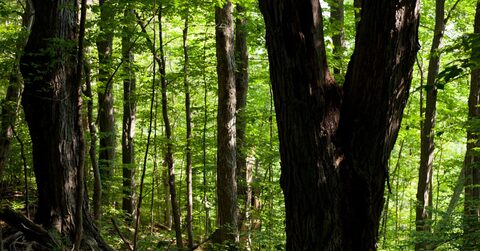
Windham is a quiet, sparsely settled hill town in Windham County, sitting on elevated ground above the West River valley. The population is small and the landscape is defined by second-growth forest, old farm clearings, and a scattering of properties that date back well into the 1800s. That combination - old houses, working woodstoves, a culture of self-sufficiency, and little commercial foot traffic - produces exactly the kind of household where a Wagner or Griswold skillet gets handed down without anyone really thinking about it. The iron was always just there, hanging on a nail, stacked on a shelf in the woodshed, or riding in a box under the camp cot.
The town has never been heavily developed, and that matters for this trade. Because Windham did not go through suburban buildout the way lower-elevation towns did, a meaningful share of its dwellings still have original or early-replacement wood and oil stoves, and some camps in the area still rely on wood heat entirely. Cooking over live fire or a wood range is not nostalgia here - it is ordinary practice for some households. Cast iron earns its keep in that setting in a way it simply does not in a gas range in a suburban kitchen.
What Windham's Climate Does to Bare Iron
Windham sits at elevation, and Vermont's upland weather is hard on unprotected metal. The winters are long and genuinely cold, the mud season is thorough, and unheated structures - barns, sugarhouses, camps, and outbuildings - swing between frozen and damp repeatedly through the shoulder seasons. Bare cast iron left in those conditions rusts with purpose. A skillet stored in a Windham barn through even one winter without a coat of seasoning or grease will come out pocked with surface rust and, depending on the original condition of the iron, can develop deeper pitting if left another season or two.
The humidity that settles into cellars and attached sheds during mud season is its own problem. Cast iron stored on a shelf in a damp cellar - common in older Windham farmhouses - will oxidize steadily even without freezing. The rust tends to be uniform and orange rather than the deep pitting you get from pooled moisture, but it still strips away the seasoning and leaves the cooking surface rough and reactive. Many pieces that come in from Windham-area properties look exactly like this: sound iron underneath a discouraging surface layer that built up slowly over years of imperfect storage.
The Pieces That Come Out of Windham Properties
Estate sales and barn cleanouts in a town like Windham turn up cast iron with some regularity. Because the population has remained stable and rural for generations, iron that was purchased new in the early to mid-twentieth century often stayed in the same family, passed through an estate, and surfaced at a sale or auction. The pieces tend to be working iron rather than collectible display items - skillets in the number 8 and number 10 range, long-handled waffle irons that sat on a wood range top, camp-style Dutch ovens with feet for cooking over coals, and griddles sized for a full wood stove surface.
Maple sugaring is still practiced in Windham and the surrounding hill towns, and sugar camp equipment is its own category. Small cast iron pots used for syrup work or camp cooking sometimes come in caked with residue that is not ordinary kitchen grease - it is a combination of caramelized sap, smoke residue, and years of outdoor use. That kind of buildup requires more thorough stripping than a kitchen-stored piece, but the iron underneath is almost always sound because sugaring and camp use does not leave pieces sitting wet for long stretches the way cellar storage does.
Hunters and their families in the Windham area also bring in camp cookware - pieces that cooked over open fires, rode in the back of trucks for decades, and were stored in hunting camps that are unheated for most of the year. These pieces often show the distinctive reddish-orange surface rust of dry outdoor exposure combined with carbon buildup on the exterior from open-fire cooking. See our services page for a full breakdown of what each restoration level addresses and which type of damage it is designed to correct.
How Restoration Works for Windham Customers
Because this is a mail-in service, the logistics are straightforward regardless of where in Windham you are located. Windham has no village center with commercial services nearby, so the mail-in model is genuinely the practical one for most residents - driving to a shop is not the assumed default here the way it might be in a town closer to a commercial corridor. You pack the piece carefully, ship it to the bench in southern Vermont, and it comes back restored and seasoned. The common questions page covers packaging guidance in detail, which matters because cast iron is heavy and a poorly packed Dutch oven can break through a box.
The work itself follows a consistent sequence regardless of where a piece originates: assessment of the iron's condition, electrolytic or heat-based stripping depending on the type and degree of buildup, inspection for cracks or structural problems, surface work to address pitting or rough patches, and then multiple rounds of seasoning with a food-grade oil. Pieces from Windham that have lived in barns or sugar camps sometimes require extra stripping cycles because the carbon and residue layers are thicker and more chemically complex than ordinary kitchen grease. The result is a cooking surface that performs like the iron was designed to perform - not museum-polished, but genuinely ready for daily use.
What to Expect Through the Process
Once a piece arrives at the bench, the customer gets an honest assessment of what it is, what condition it is actually in, and what restoration can realistically accomplish. Not every old skillet is a Griswold. Some are unmarked regional foundry iron, some are later production pieces with rougher casting, and a few are damaged beyond what restoration can fix. Windham barn finds are sometimes the best iron we see - old, smooth, well-made pieces that just need cleaning - and sometimes they are cracked skillets that were stored because they broke, not because they were treasured. Knowing which situation you have before work begins is the purpose of the initial assessment.
If you are unsure whether a piece is worth restoring before you ship it, the free consultation page is the right starting point. Send photographs and a description of where the piece has been stored and what it looks like, and you will get a realistic answer about whether restoration makes sense. For pieces from Windham-area estates or camp cleanouts, good photographs of the bottom, the cooking surface, and the handle or bail are usually enough to give a confident preliminary read.
Mistakes That Cost Windham Customers Time and Iron
The most common mistake is aggressive home remediation before shipping. A Windham resident who finds a badly rusted skillet in the barn and scrubs it down with steel wool, soaks it in a vinegar solution for too long, or runs it through a self-cleaning oven cycle without knowing what they are doing can cause more damage than the rust did. Vinegar, specifically, will continue etching the iron if the piece is not neutralized and dried immediately and completely - a step that is easy to miss when you are not familiar with the process. Pieces that arrive at the bench with vinegar damage on top of rust damage require more extensive work than pieces that arrived with just the original rust. When in doubt, do nothing beyond keeping the piece dry and letting the professional handle the stripping.
The second common mistake is assuming a piece is ruined. Surface rust - even heavy, uniform surface rust of the kind that builds up in a Windham cellar or barn over several winters - is almost never the end of a good cast iron skillet. The iron underneath is typically intact. The pieces that are actually ruined have deep, through-going pits, cracks, or warping, and those conditions are identifiable from photographs. If a skillet looks scary but structurally sound, it almost certainly is.
Why Windham Residents Work with a Professional
Windham is not a town where residents generally have access to the equipment that professional cast iron restoration requires - electrolysis tanks, controlled heat sources for stripping, and a ready supply of the right seasoning oils applied correctly in the right sequence. The work is also not quick. A proper restoration, done without shortcuts, takes multiple days from stripping through final seasoning. Doing it badly produces a pan that looks better but performs poorly - sticky, uneven, or prone to rusting again within a season.
For iron that has been in a family for generations, or for a good piece discovered at a Windham estate sale, the investment in professional restoration is straightforward to justify. A properly restored Griswold or Wagner skillet, or a well-made unmarked piece from the same era, will outlast any modern cookware purchased to replace it. The areas we serve index lists the full range of communities we work with across the region, and Windham is well within our service area for mail-in work.
Nearby Communities
The hill towns surrounding Windham - including Athens, Grafton, Londonderry, and the Jamaica and Winhall area - share the same elevated terrain, old housing stock, and barn-find culture that makes cast iron restoration relevant here. If you are in one of those communities and found this page, the mail-in service applies equally to you. All of the guidance above about barn storage, sugar camp equipment, and estate-sale iron applies just as directly across this part of Windham County.
FAQ
Questions about Windham
- I found an old skillet in a Windham barn that is completely covered in rust. Is it worth sending in, or is it too far gone?
- Surface rust, even the heavy orange layer that builds up in an unheated Vermont barn through several winters, almost never means the iron is ruined. The casting underneath is typically intact. Send photographs through the consultation page first - we look specifically at whether there is deep pitting, cracking, or warping, which are the real deal-breakers. If the skillet is structurally sound, it is very likely worth restoring.
- A piece came out of a Windham sugar camp and is caked with what looks like burned sap and smoke. Can that be cleaned?
- Yes, though sugar camp and open-fire residue is more work than ordinary kitchen grease buildup. Caramelized sap combined with carbon from wood fire creates a layered, chemically complex coating that requires thorough stripping rather than a single pass. We account for that in the assessment. The iron underneath sugar camp cookware is often in good structural shape because outdoor camp use rarely leaves pieces sitting wet for extended periods.
- How do I ship a heavy Dutch oven from a rural Windham address? Is pickup available?
- All work is mail-in. In-person drop-off for the Windham area is being set up but is not available yet. For shipping from a rural address, standard parcel carriers pick up from home with a scheduled pickup. The key is sturdy, doubled-wall cardboard with firm padding - cast iron is dense and will push through a lightweight box. Our FAQ page covers packaging in detail. Weight is manageable since most Dutch ovens fall within standard parcel limits.
- I bought a piece at a Windham estate sale and do not know what brand it is. Does that affect whether you can restore it?
- It does not affect the restoration at all. Many pieces from Windham-area estates are unmarked regional foundry iron or early production pieces without clear markings - that is completely normal for working cast iron of that era. We assess condition and casting quality, not brand name. Some of the best iron we see is unmarked. Identification can sometimes be made during the assessment, but it is not required to proceed with restoration.
- My cellar in an old Windham farmhouse is damp every mud season. How should I store restored cast iron so it does not rust again?
- A damp cellar is genuinely hard on bare iron, so the short answer is: store restored pieces somewhere drier if you can - a kitchen cabinet or a warm interior shelf. If the cellar is the only option, keep the pan lightly coated with a thin layer of food-grade oil and check it seasonally. Consistent cooking use is actually the best protection, because each cooking session re-deposits a layer of seasoning that resists moisture.
- I tried soaking a rusted skillet in vinegar at my Windham camp and now the surface looks worse. Can it still be restored?
- Often yes, but vinegar damage does add work. If the piece was not neutralized and dried immediately after the soak, the acid continued etching the iron surface, which can deepen pitting beyond what the original rust caused. Send photographs so we can assess the actual condition. Pieces with vinegar damage on top of rust damage require more thorough surface work, but if the casting is structurally sound it is usually still restorable to a functional cooking surface.
Start a restoration
Tell us what you have
Send a couple of photos and the markings you can read on the bottom. We will tell you what the piece is, what it needs, and what it costs before anything ships. Identification and assessment are free, and stay free if you decide to do nothing.
Would rather just talk it through? (802) 348-1550